Introduction
In the world of Direct Support Professionals (DSPs), one of the most rewarding aspects of the job is helping individuals discover their hidden talents and passions. This not only empowers clients but also fosters a sense of independence and personal fulfillment. Whether you are a seasoned DSP or just starting, understanding how to uncover these talents can significantly enhance your effectiveness in support roles.
Every client comes with a unique set of abilities, interests, and dreams. As a DSP, your role goes beyond providing care; it's about unlocking potential and encouraging growth. With the right strategies and approaches, you can create an environment where clients feel safe to express themselves and explore their passions.
In this long-form article, we will delve deep into the various methods you can employ to uncover hidden talents and passions in your clients. From effective communication techniques to personalized assessments, we’ll cover it all.
Understanding the Role of a Direct Support Professional
What Does a Direct Support Professional Do?
A Direct Support Professional plays a crucial role in supporting individuals with disabilities or special needs. This support may encompass daily living skills, social interactions, community engagement, and even employment assistance. The ultimate goal is to promote independence while ensuring safety and well-being.
Importance of Uncovering Talents
Identifying talents isn't just about hobbies; it's about enhancing quality of life. When clients engage in activities they love, it leads to improved mental health, increased self-esteem, and greater satisfaction in life.
Creating an Open Environment
Building Trust with Clients
Trust is foundational for any supportive relationship. As a DSP, how do you build trust? Start by actively listening to your clients without judgment. Validate their feelings and experiences to show that you genuinely care.
Encouraging Self-Expression
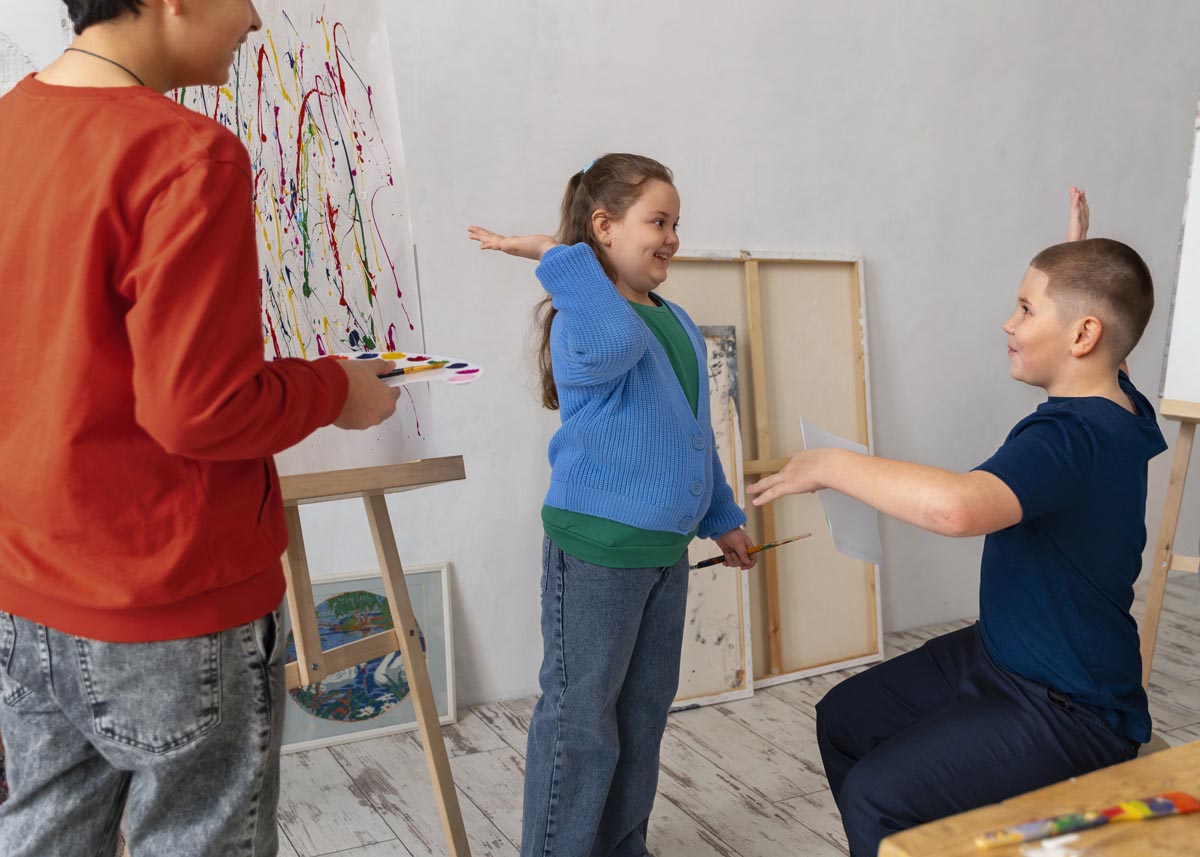
Encourage clients to share their thoughts and feelings about what they enjoy doing. Create opportunities for them to express themselves through art, music, writing, or any medium they prefer.
Effective Communication Techniques
Active Listening Skills
What does active listening mean? It’s more than just hearing words; it involves understanding the message behind them. Use reflective listening techniques to demonstrate that you are engaged in the conversation.
Asking Open-Ended Questions
Instead of yes/no questions, use open-ended ones like “What activities make you feel happiest?” This approach invites deeper conversation and exploration of interests.
Assessing Client Interests
Conducting Interest Inventories
An interest inventory is an support services in Forest Grove assessment tool designed to uncover what activities resonate with your clients. These can range from simple questionnaires to more extensive assessments tailored specifically for individual needs.
Observational Techniques
Sometimes the best insights come from observation. Pay attention to what activities bring joy or spark enthusiasm during sessions or day-to-day interactions.
Facilitating Exploration of Talents
Introducing New Activities
Don’t hesitate to introduce new hobbies or activities that might pique your client’s interest! Whether it’s gardening, painting, or playing a musical instrument—exposure is key!
Community Engagement Opportunities
Look for local classes or workshops that align with your client's interests. Participation in community events can provide valuable experiences and help them connect with like-minded individuals.
Developing Skills Related to Passions
Skill Development Programs
Once you've identified passions, consider enrolling clients in skill development programs relevant to those interests. For example, if they love cooking, look for culinary classes tailored for beginners.
Setting Achievable Goals
Help clients set realistic goals related to their interests or skills they wish to develop further. Breaking down larger objectives into manageable steps makes progress tangible while boosting motivation.
Celebrating Achievements
Recognizing Milestones
Celebrate every achievement—big or small! Acknowledgment boosts confidence and encourages further exploration of talents.
Creating an Achievement Portfolio
Consider developing an achievement portfolio where clients can document their accomplishments over time—be it certificates from classes attended or artwork created!
Overcoming Barriers
Addressing Fears and Doubts
Fear often holds people back from pursuing passion projects. Offer reassurance that it’s okay not to be perfect at something right away—it’s all about enjoying the process!
Inclusivity in Activities
Ensure that all recommended activities are accessible for everyone involved regardless of physical limitations; adaptability is essential in creating inclusive experiences!
Utilizing Technology
Online Resources for Skill Development
With technology at our fingertips today there are numerous online resources available—from tutorials on YouTube covering almost any interest imaginable—to virtual workshops across various fields!
Apps for Tracking Progress
Consider using apps designed specifically for tracking goals related specifically towards personal development—these tools can provide motivation while allowing users easy access toward their progress!
Building Community Connections
Networking Opportunities
Help clients connect with local organizations that align with their interests—it’s amazing how much support exists within communities waiting just outside our doors!
Peer Support Groups
Establish peer support groups among clients interested in similar pursuits—this offers shared experiences which strengthen bonds while fostering teamwork!
Evaluating Progress Over Time
Regular Check-ins
Consistent check-ins allow both DSPs & clients alike evaluate progress made toward discovering hidden talents/pursuing passions!
Adjusting Approaches as Needed
Be willing & flexible enough adapt strategies based upon outcomes observed during evaluations—everyone progresses differently so ensure personalization remains paramount throughout this journey!
Maintaining Client-Centered Focus
Respecting Individual Choices
Always prioritize what matters most TO YOUR CLIENT rather than imposing preferences! Their desires should guide decisions taken concerning activities pursued together!
Professional Development as a DSP
As important as supporting others’ growth is ensuring YOU continue growing professionally too! Seek out additional training/educational opportunities focusing on talent discovery techniques within caregiving contexts!
Frequently Asked Questions (FAQs)
What is the role of a Direct Support Professional?- A Direct Support Professional assists individuals with disabilities by offering support in daily living skills while promoting independence through personal development strategies.
- Utilize open-ended questions during conversations regarding hobbies/interests; encourage participation in various activities; conduct observational assessments.
- Introduce diverse options such as arts/crafts/music/sports based on client preferences documented through assessments/discussions!
- Trust encourages open communication which allows deeper exploration into personal passions/talents increasing chances meaningful engagement occurs!
- Celebrate milestones big & small through verbal recognition; create portfolios showcasing accomplishments over time; plan celebratory outings together!
- Address fears sensitively assuring them perfection isn’t necessary—encouragement alone might suffice help them overcome initial trepidation!
Conclusion
Uncovering hidden talents and passions with your clients as a DSP isn’t just beneficial; it’s transformative—for both parties involved! By Direct Support Professional in Forest Grove creating supportive environments built on trust while employing effective communication techniques alongside skill development programs—you’ll witness firsthand how fulfilling life becomes when passion projects flourish! Embrace this journey wholeheartedly aiding each individual unlock potential previously unseen—the rewards are immeasurable both personally/professionally alike!